Creative analysis,
written down.
Six guides. One methodology. Read alongside archived ad diagnostics from TikTok, Meta and YouTube. Read them in order to learn the system, or jump to the chapter you need before your next edit.

"Most creative advice is rumour. This field guide is the opposite, every rule is anchored to a number, every number is anchored to an ad in a benchmark we keep growing. Read it once and you will leave with a methodology you can defend in a room of skeptical buyers."
Six guides. One methodology.
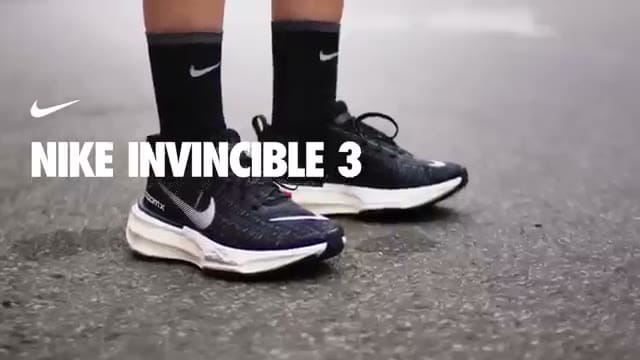
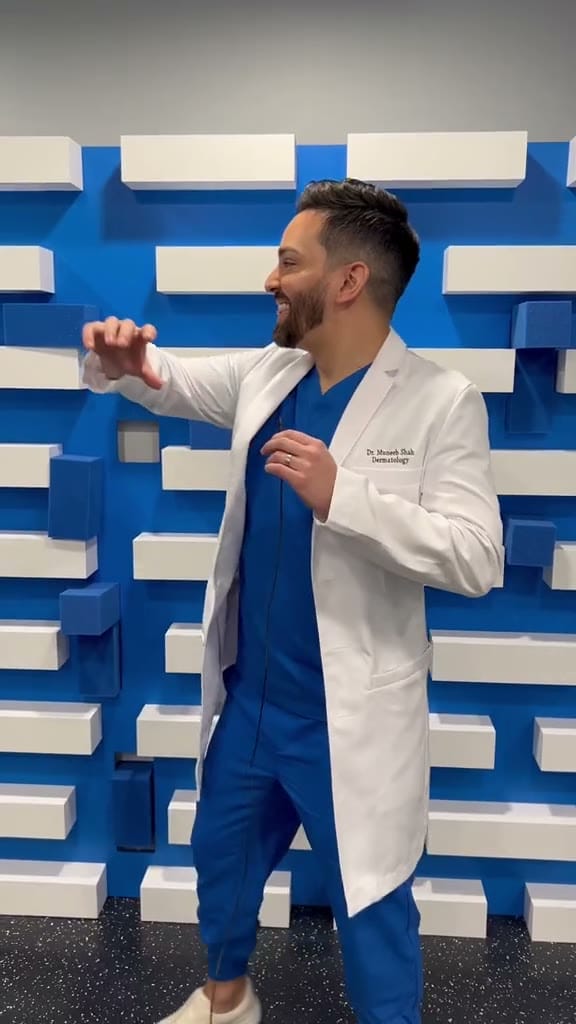
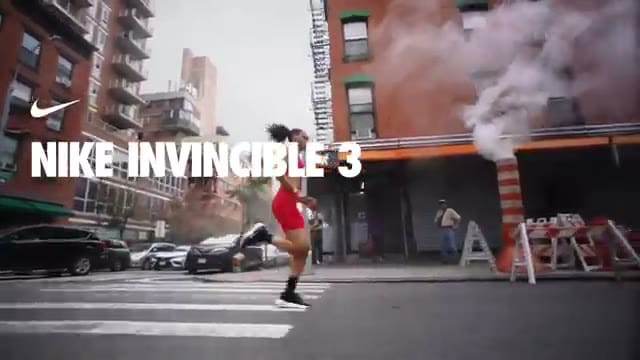
Nine real ads, nine archived diagnostics.
Nine real ads across eight brands: Nike, Coca-Cola, BMW, L'Oréal Paris, Netflix, CeraVe, Nivea and Booking.com. Original model outputs are preserved as directional examples, with their evidence limits.


If you only read this section.
RoastIQ combines five model diagnostics into a composite. The evidence gate determines whether a recommendation is supported; Meta and unsupported cohorts remain Directional only. Validation of the separate platform-native attribute model does not establish validation of this composite.
The five KPIs (frozen).
Composite is a weighted sum, not an average. Beat the Skip carries the most weight because losing the first 2 seconds nullifies everything downstream.
Read the verdict with its evidence.
Check the saved evidence gate first. Meta, unsupported cohorts and missing lineage remain Directional only. An eligible recommendation is a review input, not a spending instruction.
What we can claim. What we will not.
Half of being trustworthy is being clear about your ceiling. The full version of this is in "What benchmarked really means". The short version is here.
// Separate platform-native attribute model
- The platform-native attribute model has a separate TikTok CTR evaluation.
- The platform-native attribute model has a separate YouTube view-count evaluation; format coverage needs its own check.
- Held-out Spearman ρ +0.33 for TikTok CTR and +0.40 for YouTube views, for the platform-native attribute model. These are not five-KPI composite validation estimates.
- The platform-native attribute model recorded 6.5× pool-wide top-versus-bottom quintile lift. This is a pool association, not a promised campaign lift or five-KPI validation.
- Actual processing time and cost depend on the run. Missing model, video or review costs remain unknown until recorded.
// What SaliencyLab will not claim
- Does not predict sales lift, ROAS, attributed conversion, or in-market brand recall.
- Does not reproduce survey-based recall methodologies, we use behavioral proxies, not consumer interviews.
- Meta-Feed scores are directional defaults, brand-ad outcome data is sparse, no held-out validation yet.
- Heatmaps are predicted visual attention, not measured eye tracking.
- Attribute detections can be wrong. A completed human-coder reliability study is not established; inspect the source evidence and review uncertain labels.