One example, with the reasoning visible.
An authored walkthrough using a Coca-Cola creative. It illustrates the five diagnostic KPIs, evidence review and edit planning. Scores, quotes and timings are example content, not a live study or measured campaign outcomes.
The opening, on the record.
Eight-second Meta-Feed cut. Holiday sentiment narrative, brand cue late. The diagnostic moment is the gap between the emotional payoff and the pack arriving on screen.
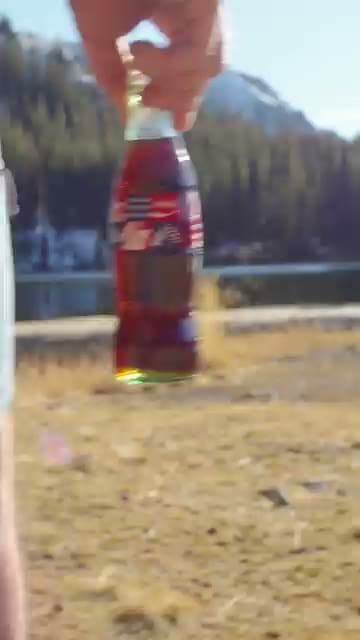
Make the brand cue easier to identify.
The holiday atmosphere and opening visual hook.
Test an earlier, readable Coca-Cola pack cue in this short cut.
Compare that edit with the original 8.4-second cut, with the same audience, platform and brief. Assess outcomes in market before increasing spend.
Authored illustration · no human review of a client report is recorded here. This short cut is a different creative from the 60-second workspace example.
Composite 62 / 100, SHARPEN.
The composite is a weighted sum of the five frozen KPIs. 62 lands in the 55–69 Sharpen band. No KPI drops below 45, so the Rebuild double-rule doesn't trip. Treat the proposed edit as a hypothesis to test.
The breakdown, per KPI.
The names are frozen. The weights are frozen. Strong ≥ 70, Moderate 45–69, Weak below 45. The Brand Impact row is the bottleneck, the authored evidence illustrates a 6.8s logo entry on an 8-second cut.
An example evidence trail.
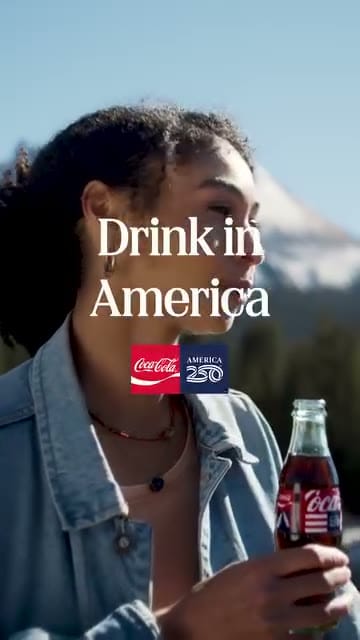
Example frame notes show how to trace a diagnostic back to the creative. Live reports link to the evidence recorded for their own analysis.

What an editor can fix this week.
Choose one edit, preserve the strongest cues, and compare the revision. A score increase is not guaranteed.
The 1.5-second rule. The pack does not have to be the hero, but it has to be on screen, held by talent. Test whether the brand becomes easier to identify while preserving the script.
Currently the pack reads but doesn't dwell. A short extension gives memory encoding room without breaking pace.
Replace the flat logo card with a held bottle plus the seasonal claim. Compare the alternatives while keeping the offer and audience consistent.
Benchmark context, when evidence is available.
No verified outcome cohort is attached to this authored example. A live report identifies its cohort, coverage and limitations; an unavailable comparison stays unavailable.
How to read benchmark evidence
Check the platform and audience match, cohort size, and whether the reference is an outcome-calibrated benchmark or a stored scoring cohort. Diagnostic scores alone do not establish engagement or sales lift.
Same ad, example buyer questions.
BuyerLens surfaces hypotheses about audience objections. These six authored reactions illustrate how to read them; they are not stored interviews or findings from a completed study.
"It's pretty but I don't know what they're selling me. Half a bottle would have done it. I scrolled before the music landed."
"The hand-and-glass shot is the moment. I'd cut everything before second three. Christmas Coca-Cola is already a story I know, you don't need the wind-up."
"I like that the brand is not screaming at me. But the bottle is so late, I don't remember whether it was Coca-Cola or Pepsi. Hold the pack longer at the end."
"This is the same Coke ad as ten years ago. I don't have a reason to not skip. Show me something I haven't seen, or pay the influencer."
"Reminds me of being a kid. I'd watch it once at Christmas. But I see this on Reels at 11pm in May, it does not land. Wrong season, wrong scroll."
"As a buyer I'd look at the hook rate at 1.5 and stop here. Beautiful, expensive, dead on Reels. There is no thumb-stop trigger in frame one."
The brief, written for you.
The RoastIQ verdict, the BuyerLens verbatims and the recommendation list collapse into one creative brief. Five fields. Hand it to the editor. Re-score the recut against the same composite.
- Hero pack arrives at 1.2s, held by talent (not as a sting).
- Held bottle extended ~0.4s mid-cut for memory encoding.
- End card replaced with a second pack appearance + seasonal claim; logo card retired.