The opening, on the record.
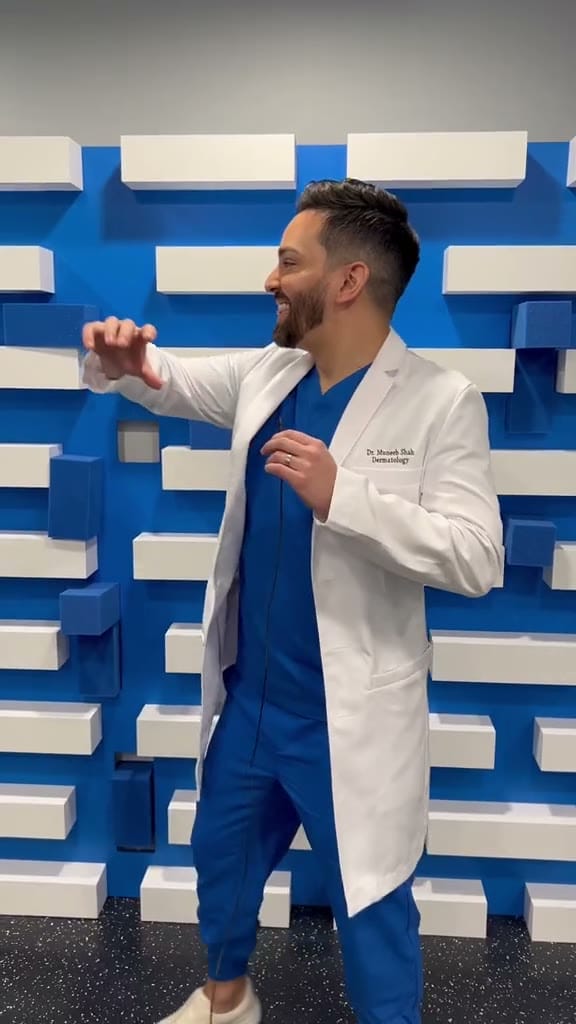
The creative uses a presenter in a white coat and a blue-and-white brick-wall demonstration to explain the skin barrier. The archive labels this as a UK TikTok asset. The review question is narrow: can the opening connect that explanation to the brand sooner without making it harder to follow? This is our editorial question, not a supplied client brief.
Directional creative evidence.
The archived runner returned SHARPEN. This is a historical rule label, not a current decision recommendation. No matched-cohort sample or repeated-run estimate is attached to this example.
The historical composite and five KPI values describe a model run, not observed audience response. Published validation of the separate platform-native attribute model does not establish validity for these KPI scores or this particular skincare creative. No confidence interval or repeated-run estimate was recorded for this example.
Where the score comes from.
Archived raw KPI outputs below. Labels describe diagnostic ranges only; they are not measured retention, recall, persuasion or emotional intensity.
// KPI breakdown, CeraVe TikTok UK
 0.5s
0.5s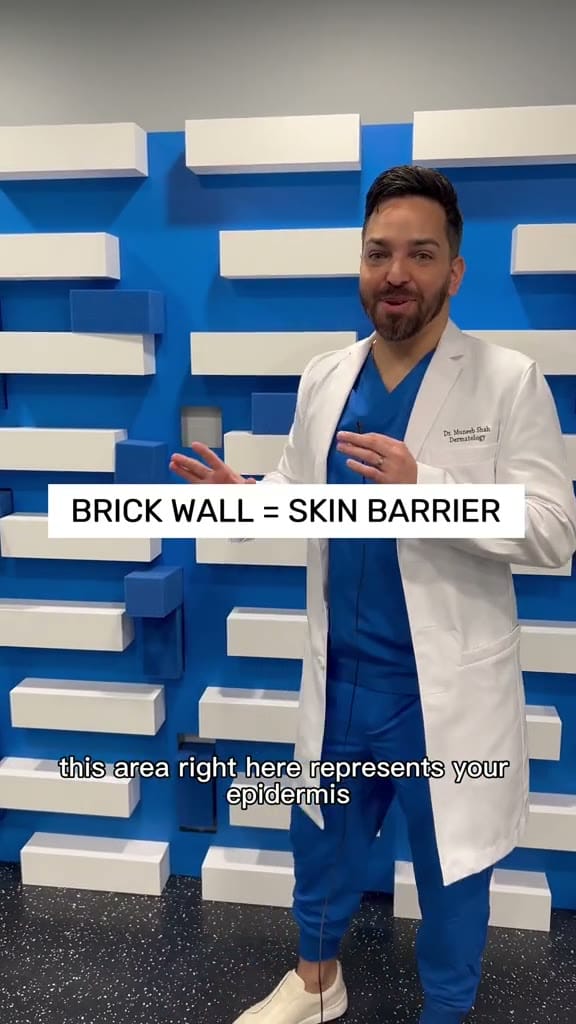 2.0s
2.0s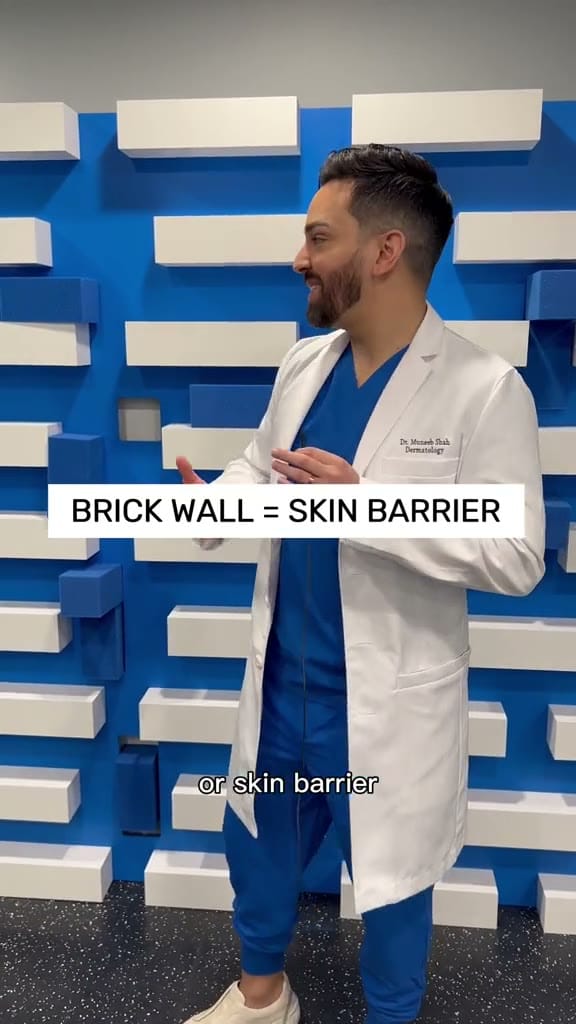 4.0s
4.0s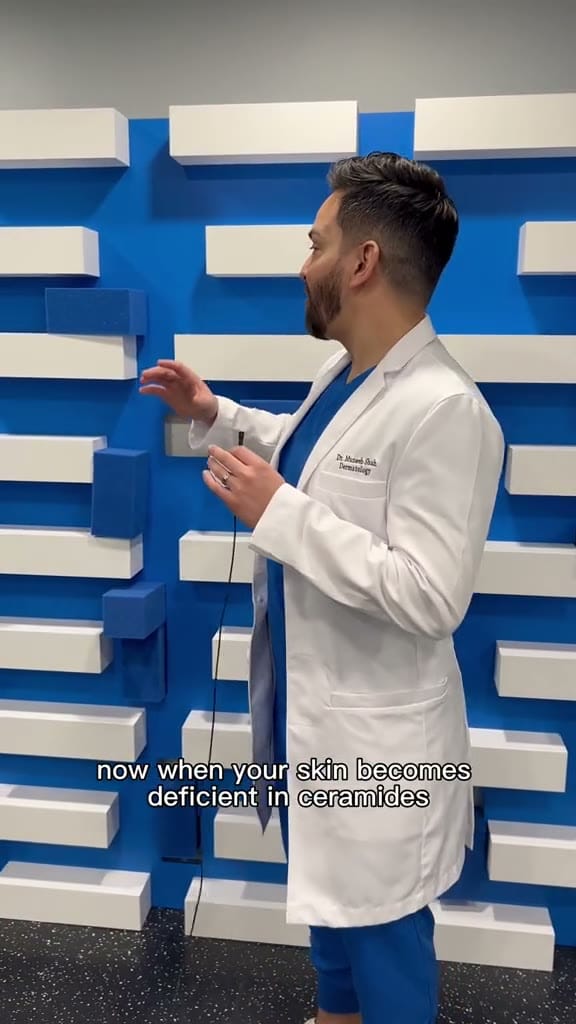 MID
MID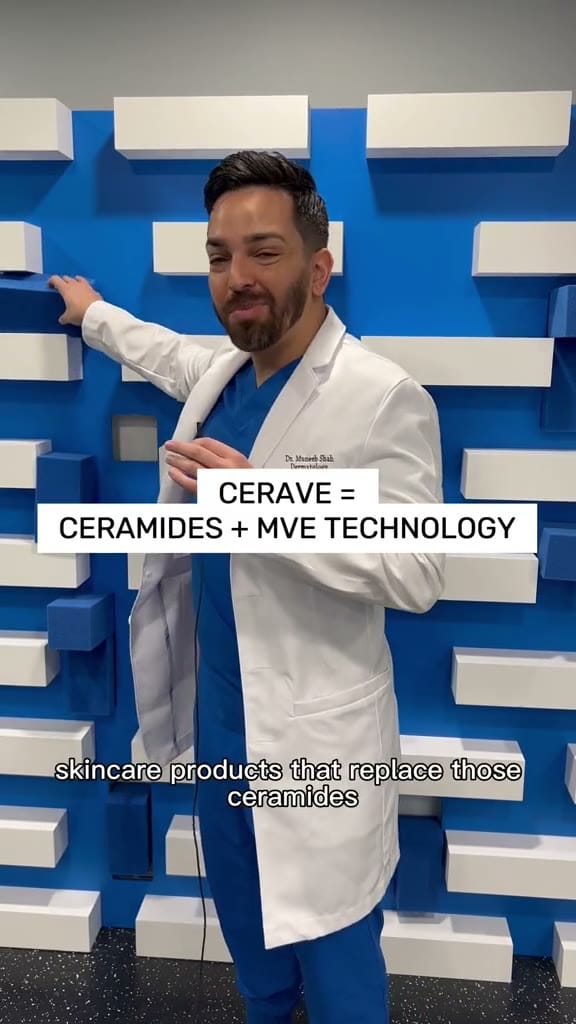 75%
75%What the pipeline tagged.
What the frames actually show.
The opening samples show a presenter and a tactile wall demonstration. The caption “BRICK WALL = SKIN BARRIER” makes the metaphor explicit. A later sample names CeraVe alongside ceramides and MVE technology; the closing sample asks viewers to help protect their skin barrier. These are visible features of the supplied frames. They do not establish what a viewer noticed or remembered.
The archived model tagged the hook Educational, the proposition Problem-Solution and the early-brand field No. Brand Impact was 50, while Get Noticed was 65. Our interpretation is that the useful explanation may receive attention without the brand receiving the same credit. That is a hypothesis to test, not a measured audience finding. Blue and white may already act as cues for familiar buyers, which is a reason to test rather than assume the brand is invisible.
Observed: the creative frames and captions shown above.
Model-generated: the archived scores and classification fields from 18 May 2026.
Editorial: the proposed revision and research plan below, added 7 October 2026.
Synthetic feedback: no BuyerLens interview is attached to this case.
Measured outcomes: no audience study, revised-creative result or campaign outcome is available for this case.
Give the explanation an earlier owner.
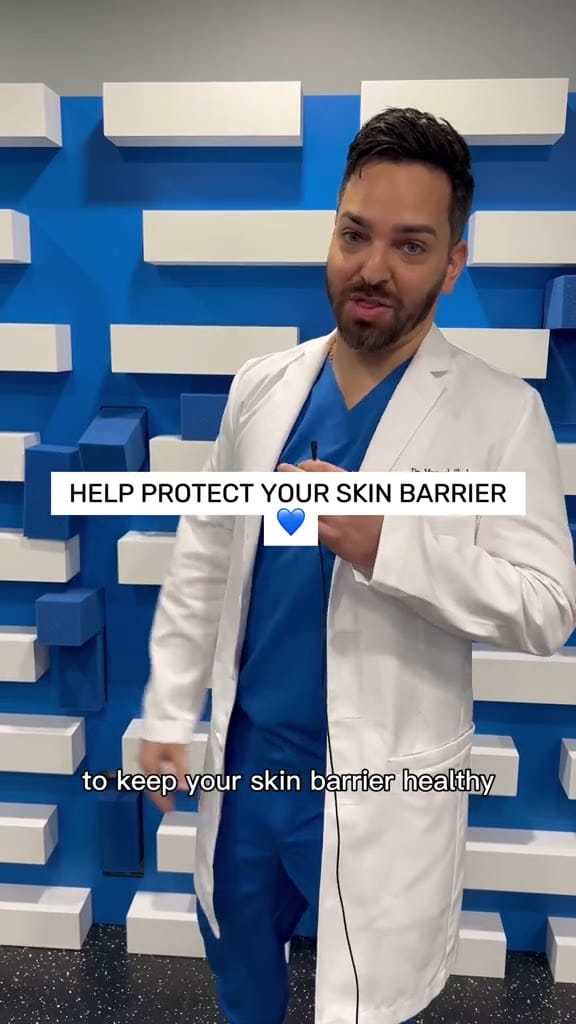 ORIGINAL END FRAME
Keep: the presenter, wall demonstration, skin-barrier metaphor and explanatory sequence. They give the viewer a concrete way to follow the idea. The existing educational structure is the starting asset, not something to remove because one diagnostic is lower.
Change in one candidate: introduce a readable CeraVe wordmark during the opening three seconds, using approved brand artwork. Place it where it does not cover the presenter, metaphor caption or placement controls. Keep the original audio, duration, proposition and remaining sequence unchanged. This isolates the earlier brand cue as closely as practical.
Leave for a separate test: adding a pack shot, changing the hook or rewriting the final action. Combining these with the brand-cue edit would make any difference harder to interpret. No revised film has been produced, approved by the brand or rescored for this article. The frame above remains the original.
Coverage limits.
This archive identifies the platform and country, but does not attach a matched-cohort sample, a percentile calculation or a repeat-run stability estimate. We therefore do not rank this ad in a category quintile. Validation of the separate platform-native attribute model does not validate these five KPI outputs.
Test brand credit without losing the lesson.
For a real-participant study, define the target skincare audience and recruitment rules before fieldwork. Randomly assign participants to the original or the proposed edit, with the same exposure conditions and no brand clue in the introduction. After one exposure, ask which brand they remember and what the ad explained. Record exact answers before coding brand attribution and skin-barrier comprehension.
Make brand attribution the primary question and comprehension a guardrail. Agree the meaningful difference, sample size and uncertainty analysis in advance with the researcher. Record prior brand familiarity so an existing customer’s knowledge is not mistaken for a creative effect. Avoid leading questions such as “Did the earlier CeraVe logo help?”
If a campaign test follows, hold audience, placement, offer and landing page comparable, predefine its duration and decision rule, and report the selected outcome with denominators and uncertainty. A better diagnostic score or stronger recalled brand does not establish a sales or ROAS lift. Media delivery and other campaign factors need their own analysis.
Result status: this case ends with a proposed revision and test plan. No test was run, no client accepted the recommendation, and no improvement is claimed. A future update needs the actual revised asset, study design, dated results and permission to publish. The practical takeaway today is the reasoning chain: visible cue → explicit hypothesis → limited edit → evidence that could disprove it.
See the methodology, the brand-cue review guide and how to choose the right research method.